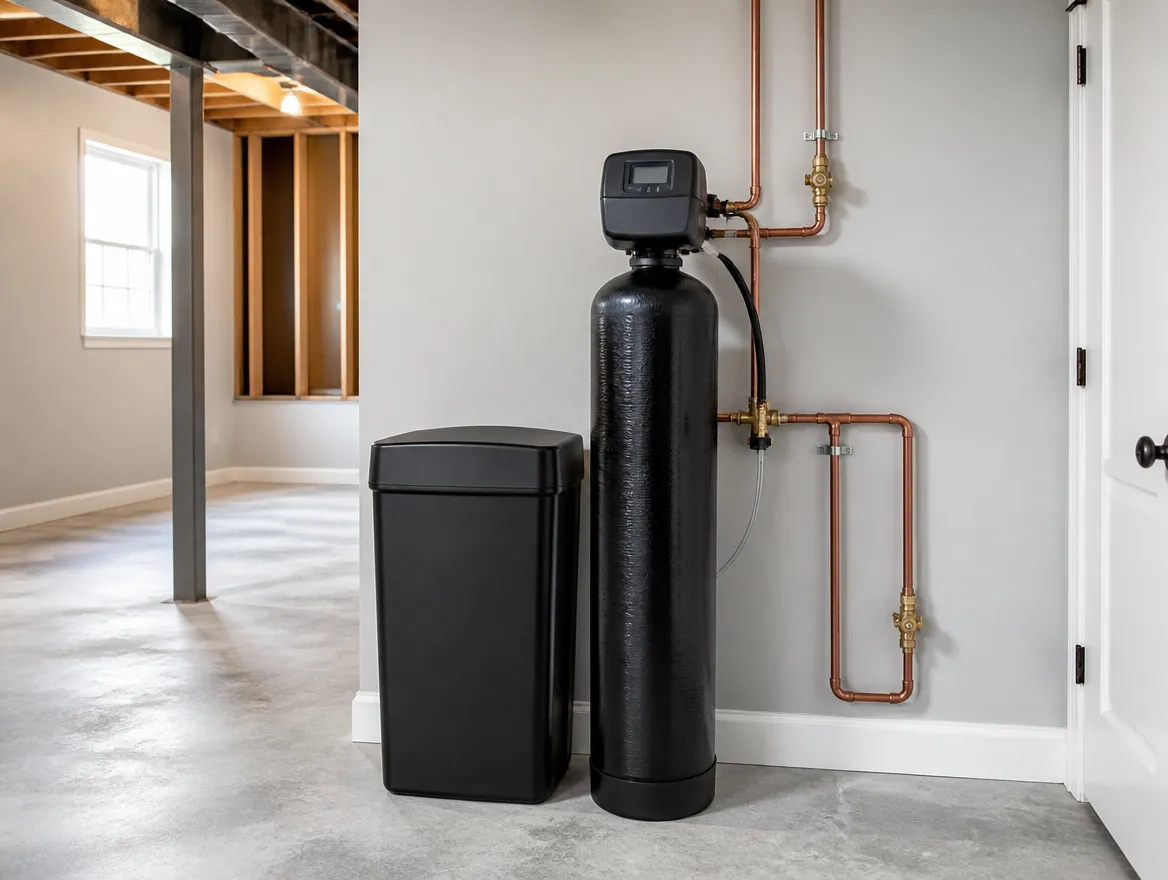
Water softener systems
A water softener removes the calcium and magnesium that leave scale. We test your hardness first, write down the target, and retest after the install.
Explore service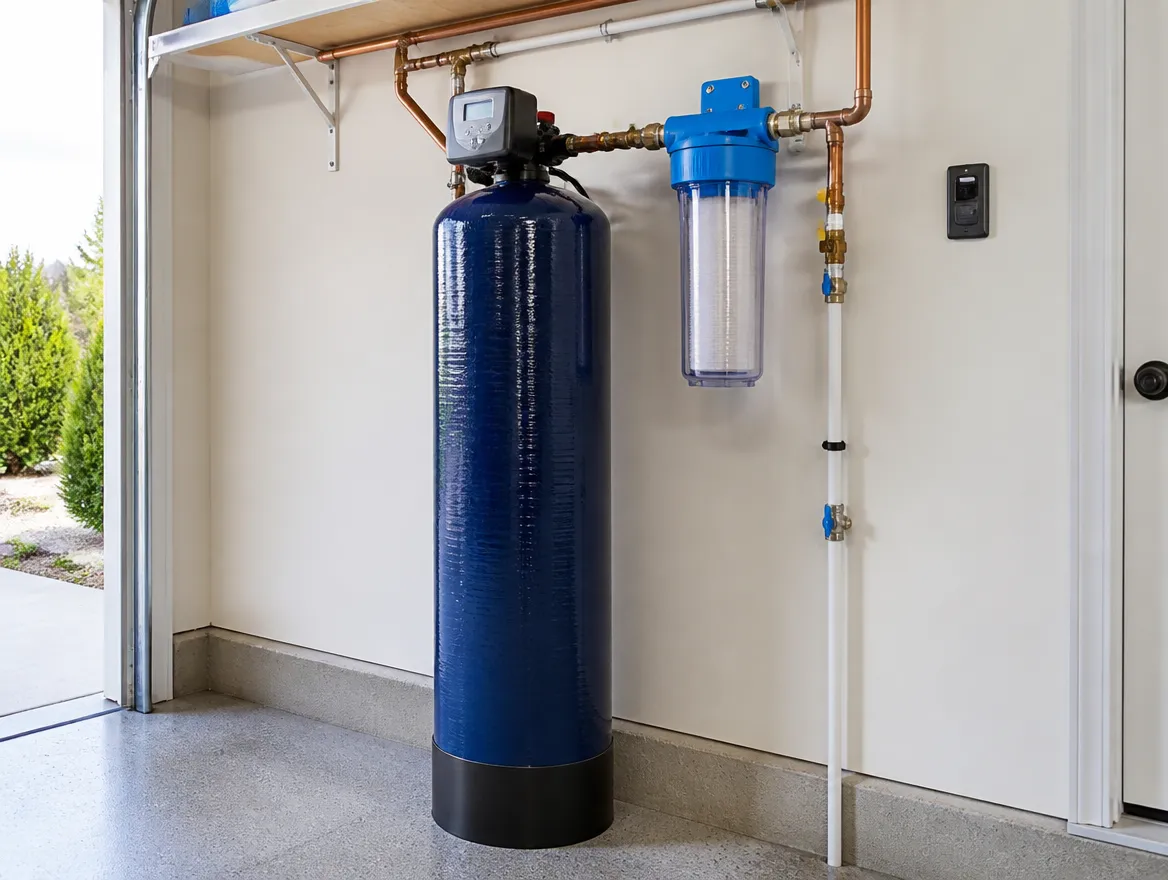
Taste and smell
Most Front Range utilities disinfect with chlorine or chloramine. Whole-home catalytic carbon takes it out before it reaches any tap or shower.
Taste and smell·What changes
Where we work
We install in Denver, Aurora, Thornton, Westminster, Arvada, Broomfield, Lakewood, Littleton, Highlands Ranch, Centennial, Parker, Castle Rock and the surrounding Front Range. Thornton, Castle Rock, Aurora, Westminster, Denver all disinfect with chloramine, which is what catalytic carbon is for. Chloramine does not gas off in a pitcher the way free chlorine does.
Catalytic carbon breaks chloramine down as water passes through the bed, and that reaction needs time. The industry measures it as empty bed contact time: the volume of media divided by the flow rate through it.
This is where undersized systems disappoint people. A small tank on a three-bathroom house moves water through too fast, so chloramine leaves with barely any reduction and the shower still smells. We size the tank to your bathroom count and peak flow, not to a box on a price sheet.
It is also why cartridge filters struggle with chloramine. A 4.5 by 20 inch cartridge cannot hold enough carbon to give water the time it needs at whole-house flow.
We run catalytic carbon as an upflow tank with no backwash cycle. Water enters at the bottom and rises through the bed, which keeps the media lifted and evenly used instead of packing down.
The practical result is a system with no drain line, no electricity and no regeneration water. For homes with no floor drain near the main, that is often the difference between a clean install and a plumbing project.
A sediment prefilter goes in front of it. Grit shortens the life of any media bed, and the prefilter is the cheapest part in the system to change.
Carbon capacity is finite. It works until the bed is exhausted and then it quietly stops working, so we treat this as something to measure rather than promise. How long it lasts depends on your chlorine level and your water use, which is why the answer is a test, not a number on a brochure.
Our guarantee covers the numbers at install. After that, the useful habit is a periodic total chlorine check at the kitchen tap. When the reading starts climbing back toward your utility's level, the media is due.
What's included
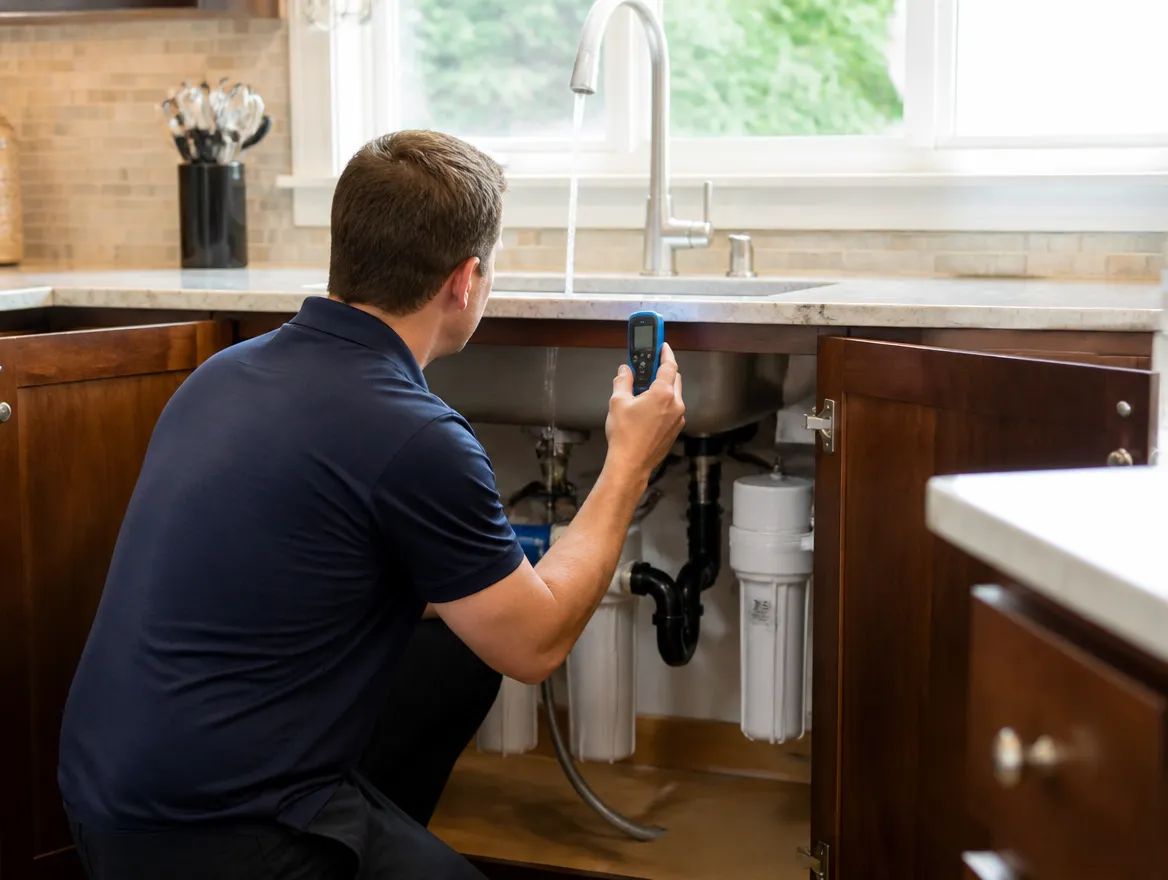
Every install includes the licensed plumber, the before test and the after test. We quote once we've measured, because the reading decides the size.
The number we have to hit
Total chlorine under 0.1 ppm, guaranteed. Agreed in writing before we install, measured the same way afterwards.
We'll tell you if you don't need it
If your test shows total chlorine is already very low at the tap, we'll tell you. If it's only drinking water you care about, an under-sink system costs a lot less.
Frequently asked·Whole-home carbon filtration
It's treated and safe to drink. What most people notice is the taste and smell of the disinfectant. The test shows what's actually in your tap, and if there's nothing to fix, we tell you.
A system sized for your home and your flow shouldn't cause a pressure drop you notice. That's why we size tanks to your bathrooms and household, not to a sales sheet. Tell us if pressure is already an issue and we'll check it during the test.
Usually not. City water there is already soft, so a softener wouldn't change the hardness number. If the taste or smell bothers you, whole-home carbon or drinking-water RO is the better fit.
Chlorine and chloramine are hard on softener resin. Putting catalytic carbon first protects the resin and gives every tap chlorine-free water.
Other services
A water softener removes the calcium and magnesium that leave scale. We test your hardness first, write down the target, and retest after the install.
Explore service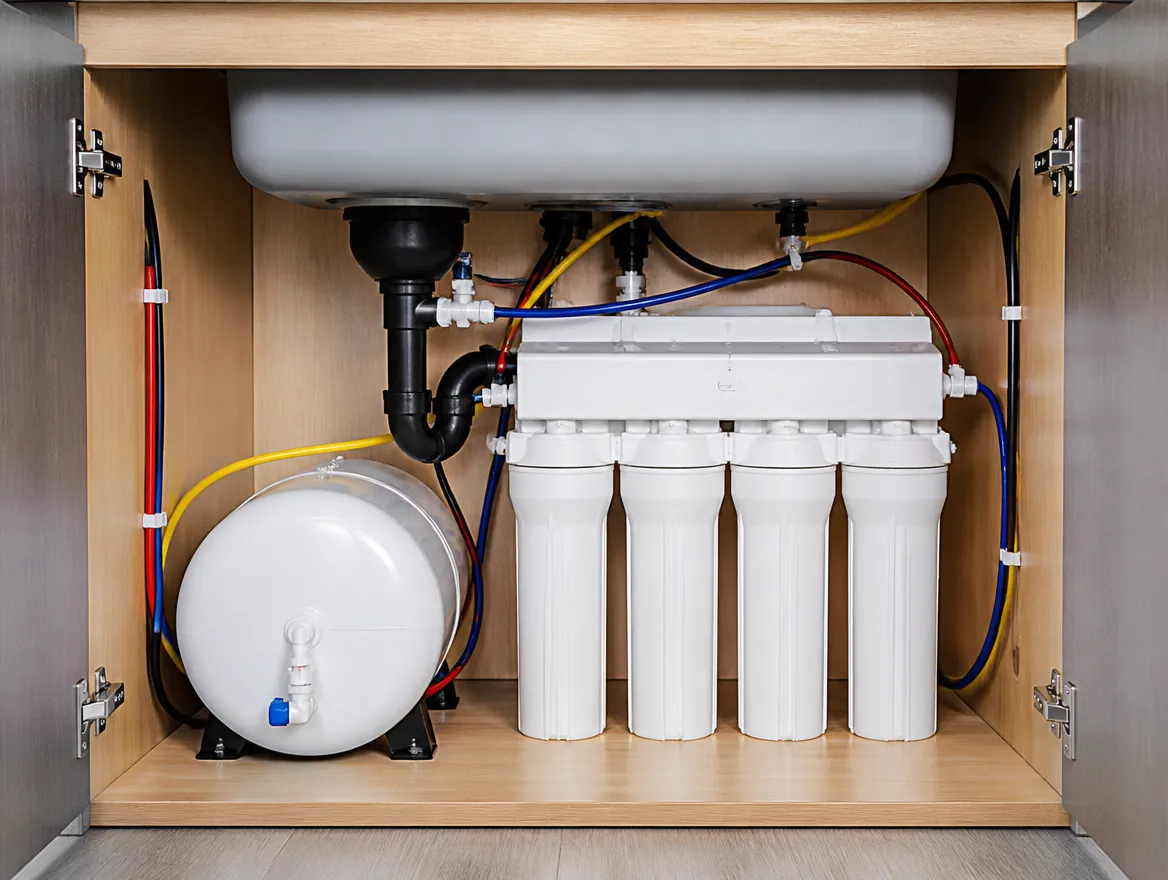
Reverse osmosis under the kitchen sink gives you drinking and cooking water from its own faucet. We measure the difference in writing.
Explore service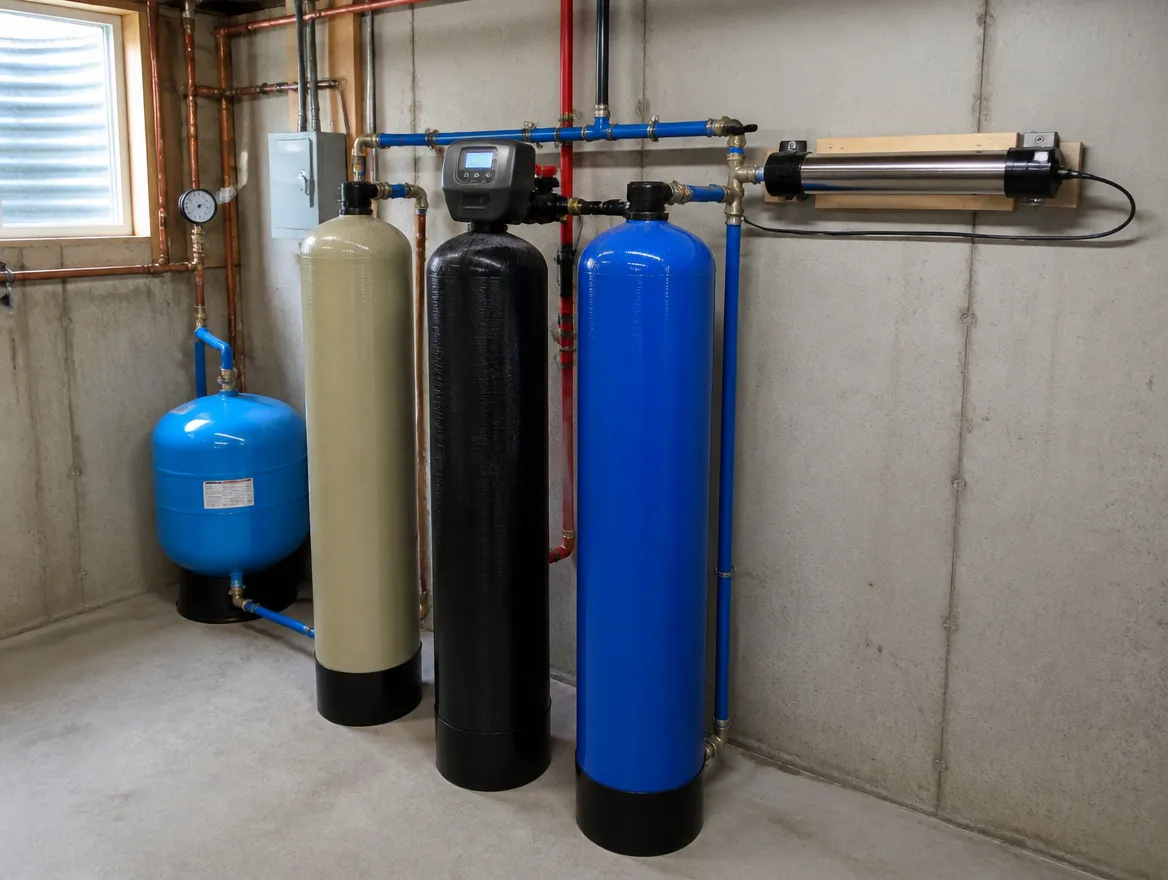
Every well is different, so we start with a certified lab test. The result tells us what to build and sets the targets we have to hit.
Explore service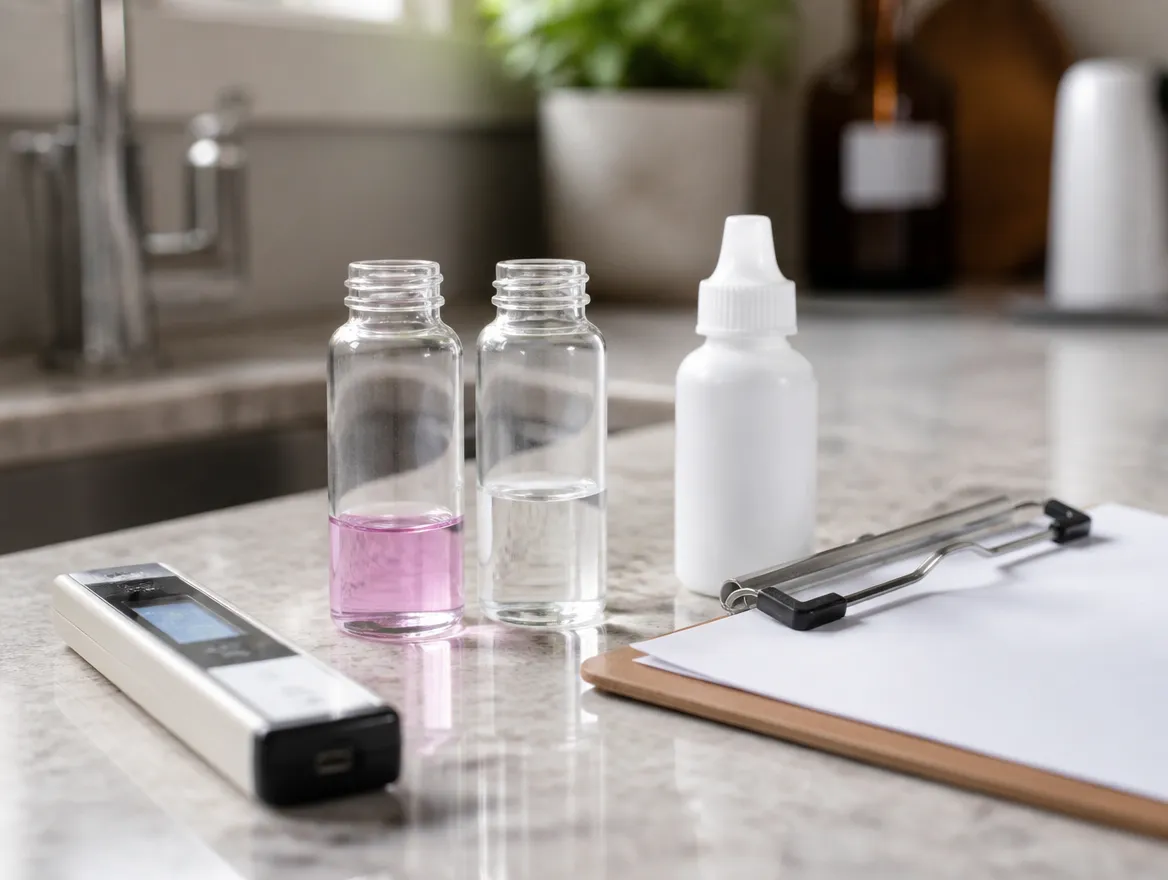
Some things can't be measured at the tap. A certified lab test answers questions about lead, PFAS, bacteria and wells, and the cost is credited toward an install.
Explore serviceGet in touch
We measure at your tap before we quote anything. You keep the readings, whether or not you buy a whole-home carbon filtration from us.