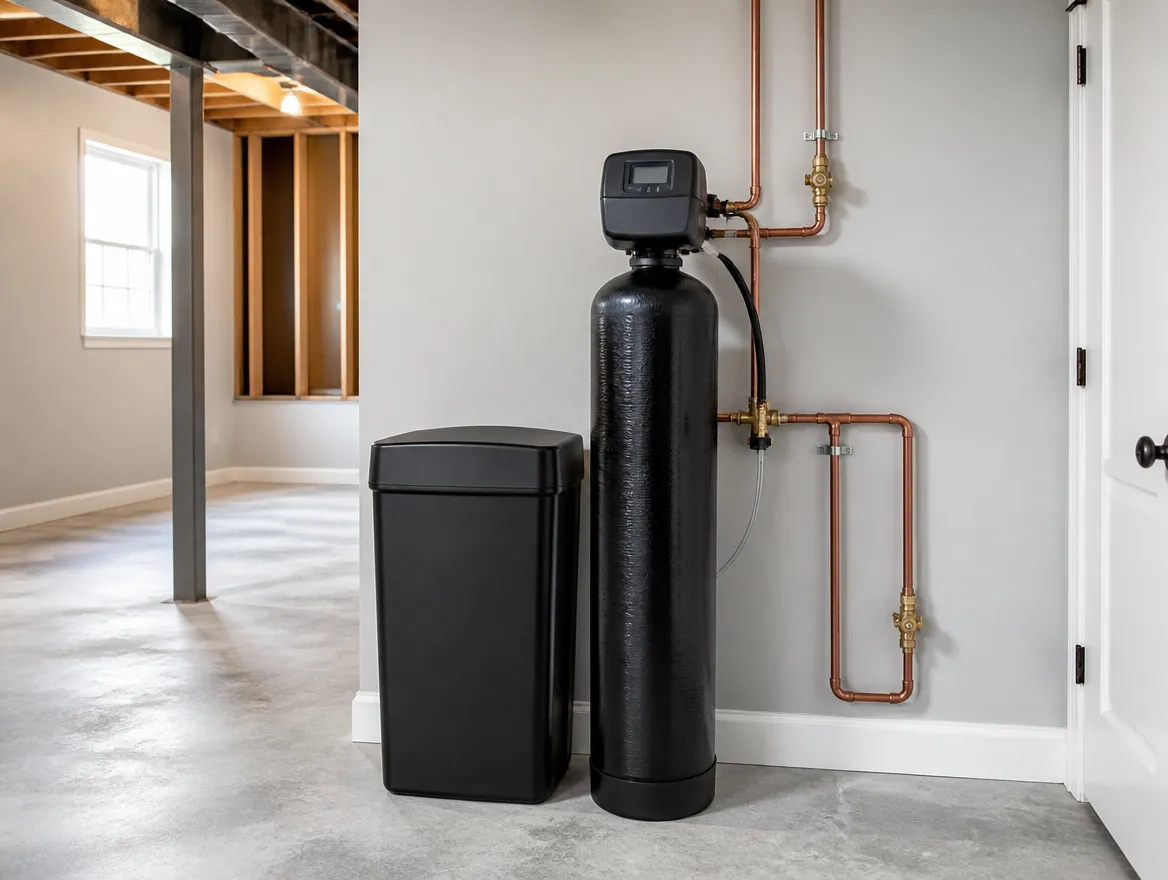
Water softener systems
A water softener removes the calcium and magnesium that leave scale. We test your hardness first, write down the target, and retest after the install.
Explore service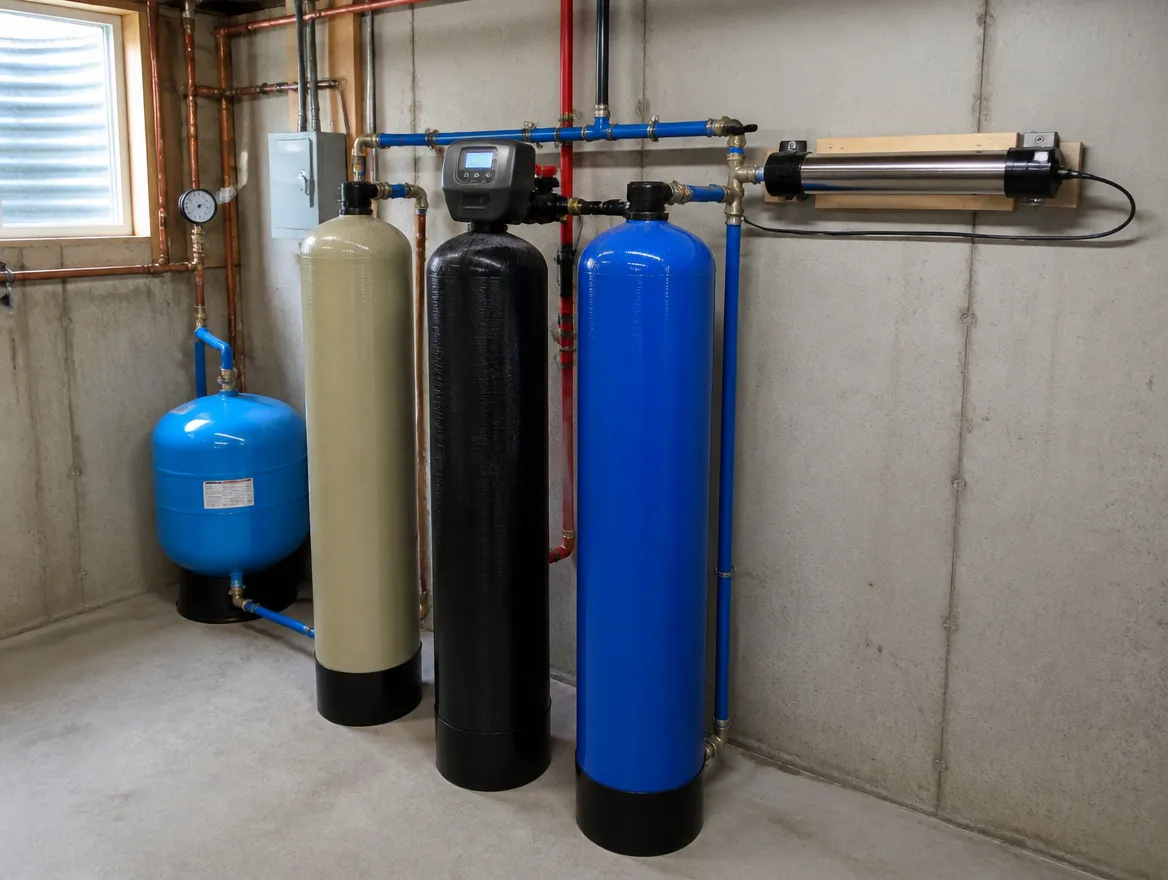
On a well
Every well is different, so we start with a certified lab test. The result tells us what to build and sets the targets we have to hit.
On a well·What changes
Where we work
We install in Denver, Aurora, Thornton, Westminster, Arvada, Broomfield, Lakewood, Littleton, Highlands Ranch, Centennial, Parker, Castle Rock and the surrounding Front Range. Most wells we work on are in the foothills of Jefferson, Boulder, Larimer and Clear Creek counties, and in the Denver Basin exurbs around Parker, Elizabeth and Elbert County.
There is no default well system, because there is no default well. Iron, manganese, hydrogen sulfide, hardness, bacteria, nitrate, arsenic, uranium and radon all need different equipment, and several of them have to be treated in a specific order to work at all.
A Colorado State University and Boulder County Public Health pilot published in March 2026 sampled about 150 wells from roughly 250 well users. Around a quarter contained contaminants a municipal provider would not be permitted to serve, including total coliform, arsenic and uranium. Colorado has no statewide water quality standard for private wells, so nobody is testing yours unless you do.
We charge for the lab test and credit it toward the install, which keeps the incentive honest: the test decides the system, not the other way around.
Sediment first, to protect everything downstream from sand and grit.
Then iron and sulfur. An air injection filter oxidizes iron, manganese and hydrogen sulfide so the media can trap them, and it backwashes to a drain. This has to come before a softener, because iron fouls softener resin.
Then the softener, if the lab shows hardness worth removing. Then, last, UV. Ultraviolet needs clear water to work, so it belongs at the end of the chain where nothing upstream can shadow the lamp.
Put UV first and it fails quietly. That is the most common mistake we find on existing well systems.
Jefferson County Public Health offers free bacteria and nitrate test kits to private well owners in the county, while supplies last. If that answers your question, use it.
The Colorado Department of Public Health and Environment runs a PFAS Testing and Assistance Program. Anyone with a private well in Colorado can apply for free PFAS testing, and eligible participants can receive free filters that meet NSF standards.
We would rather point you at those than sell you a panel you can get for nothing. Where we add value is the full design-grade panel, and the system built from it.
What's included
Every install includes the licensed plumber, the before test and the after test. We quote once we've measured, because the reading decides the size.
The number we have to hit
Targets set by your certified lab result. Agreed in writing before we install, measured the same way afterwards.
We'll tell you if you don't need it
We never quote a well system before the lab result. If the lab shows your well is fine, you'll hear that from us, with the report.
Frequently asked·Well water treatment systems
Wells vary too much to guess. Iron, sulfur, hardness, bacteria, nitrate, arsenic and uranium all need different equipment. A certified lab result tells us what to build and sets the targets we have to hit.
Once a year for bacteria and nitrate as a baseline, and after any work on the well, any flooding, or any change in taste, smell or color. Jefferson County Public Health offers free bacteria and nitrate kits to county well owners while supplies last, and CDPHE runs a program offering free PFAS testing for private wells. Use those first if they answer your question.
Other services
A water softener removes the calcium and magnesium that leave scale. We test your hardness first, write down the target, and retest after the install.
Explore service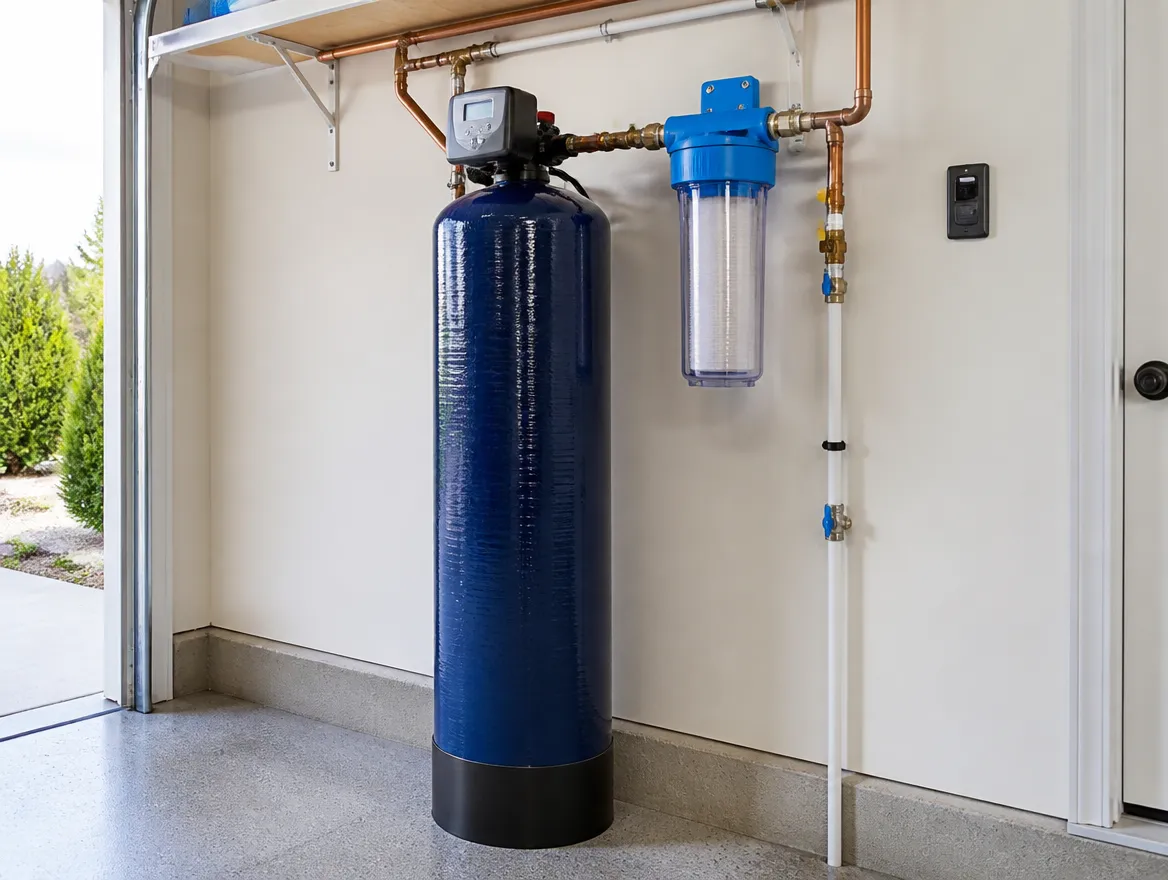
Most Front Range utilities disinfect with chlorine or chloramine. Whole-home catalytic carbon takes it out before it reaches any tap or shower.
Explore service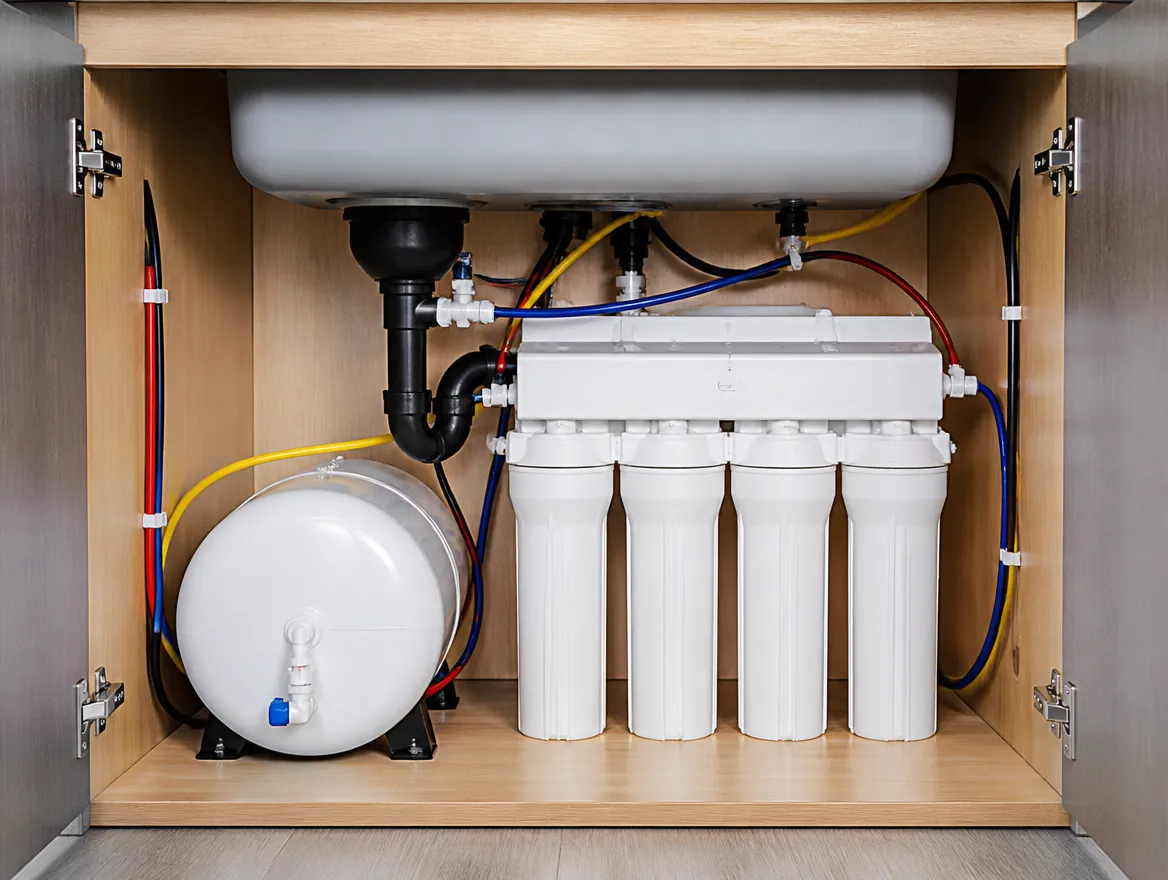
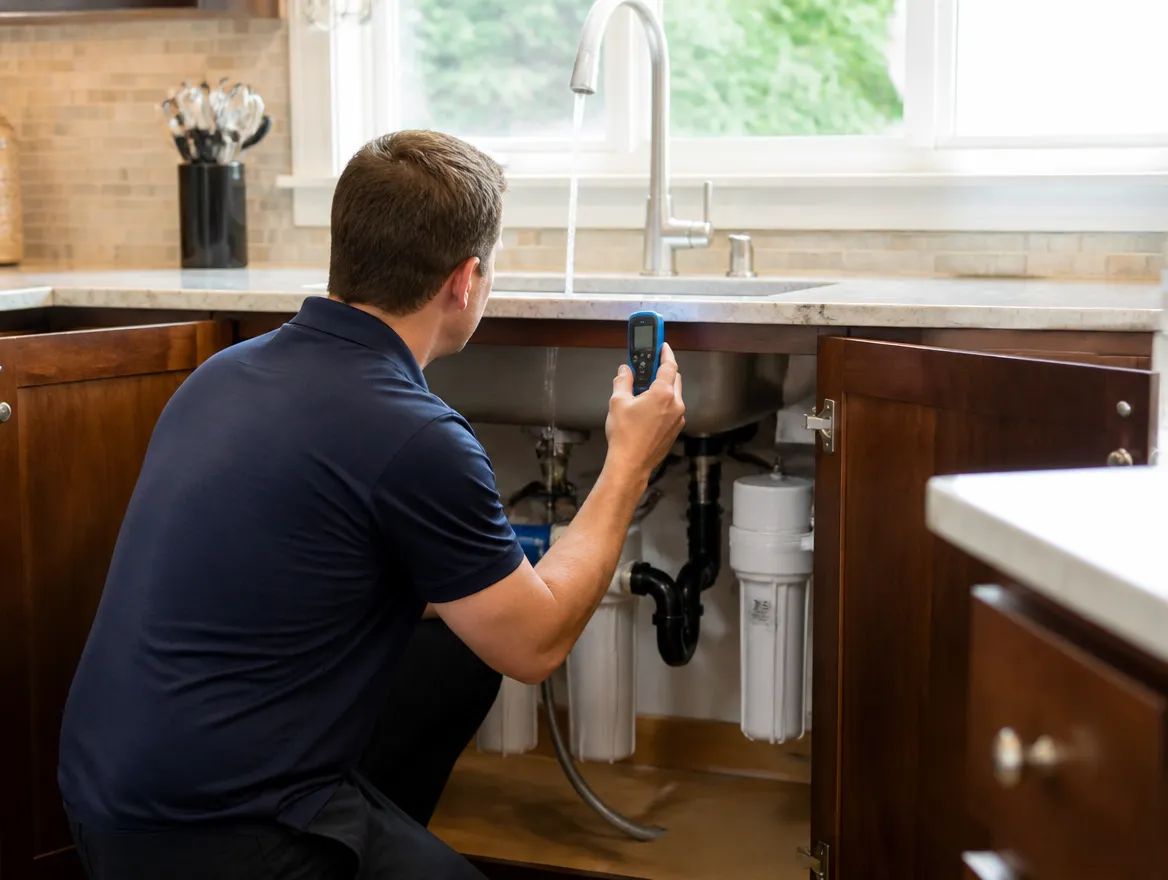
Reverse osmosis under the kitchen sink gives you drinking and cooking water from its own faucet. We measure the difference in writing.
Explore service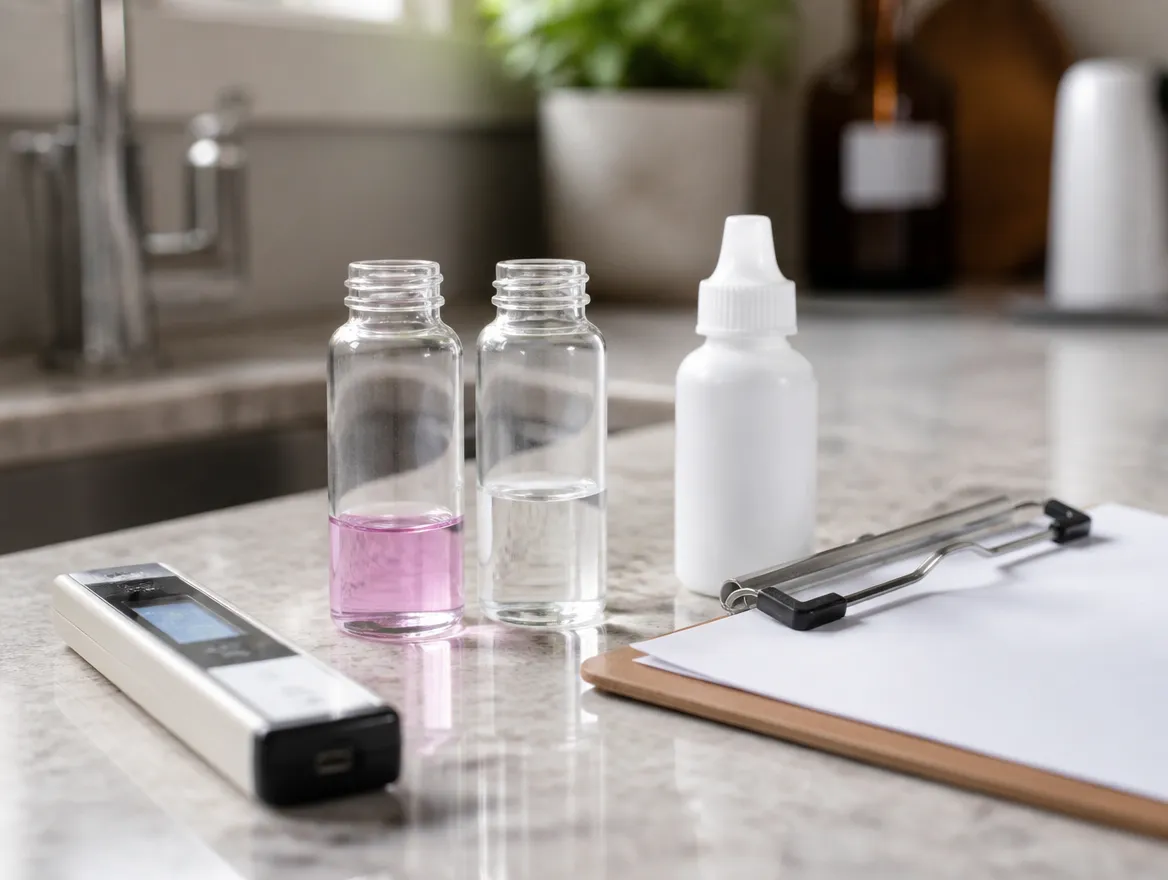
Some things can't be measured at the tap. A certified lab test answers questions about lead, PFAS, bacteria and wells, and the cost is credited toward an install.
Explore serviceGet in touch
We measure at your tap before we quote anything. You keep the readings, whether or not you buy a well water treatment systems from us.