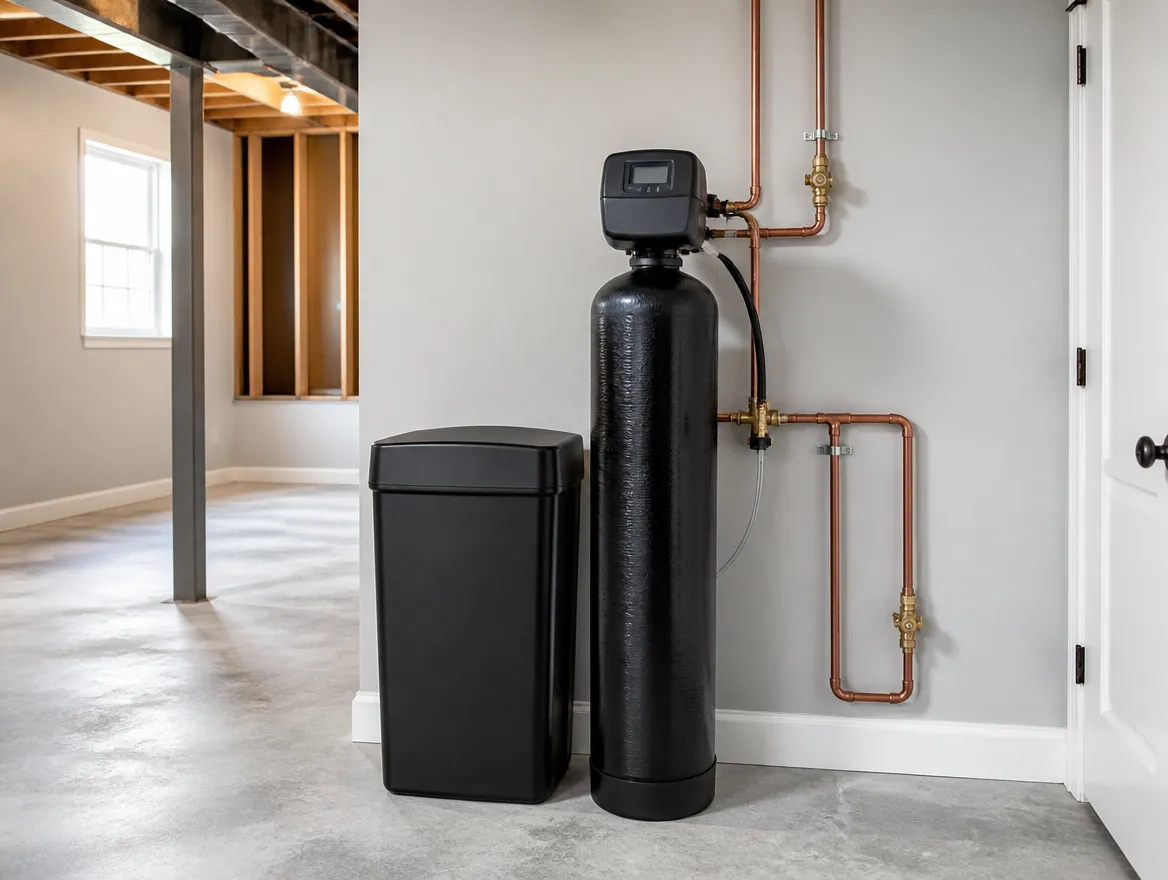
Water softener systems
A water softener removes the calcium and magnesium that leave scale. We test your hardness first, write down the target, and retest after the install.
Explore service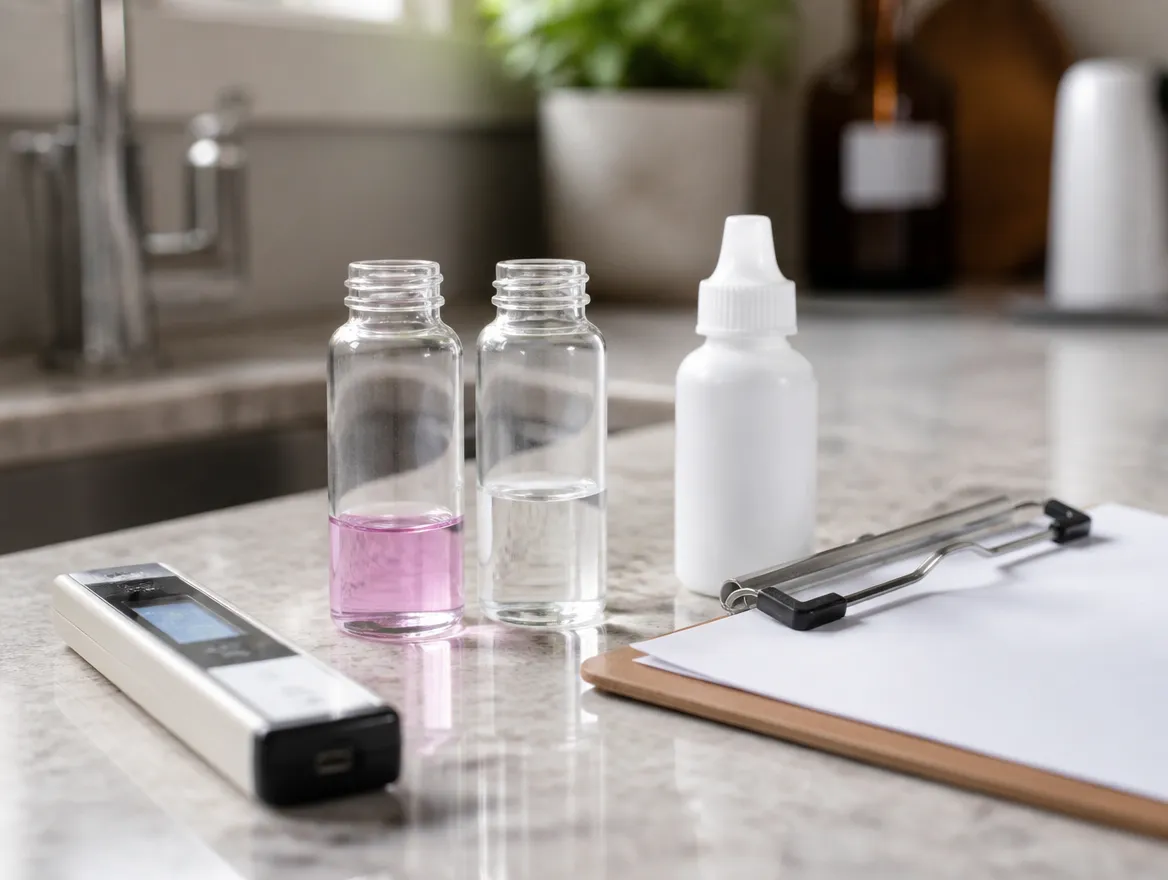
Lead or PFAS
Some things can't be measured at the tap. A certified lab test answers questions about lead, PFAS, bacteria and wells, and the cost is credited toward an install.
Lead or PFAS·What changes
Where we work
We install in Denver, Aurora, Thornton, Westminster, Arvada, Broomfield, Lakewood, Littleton, Highlands Ranch, Centennial, Parker, Castle Rock and the surrounding Front Range. Every install includes the before and after test at your own taps, measured the same way both times.
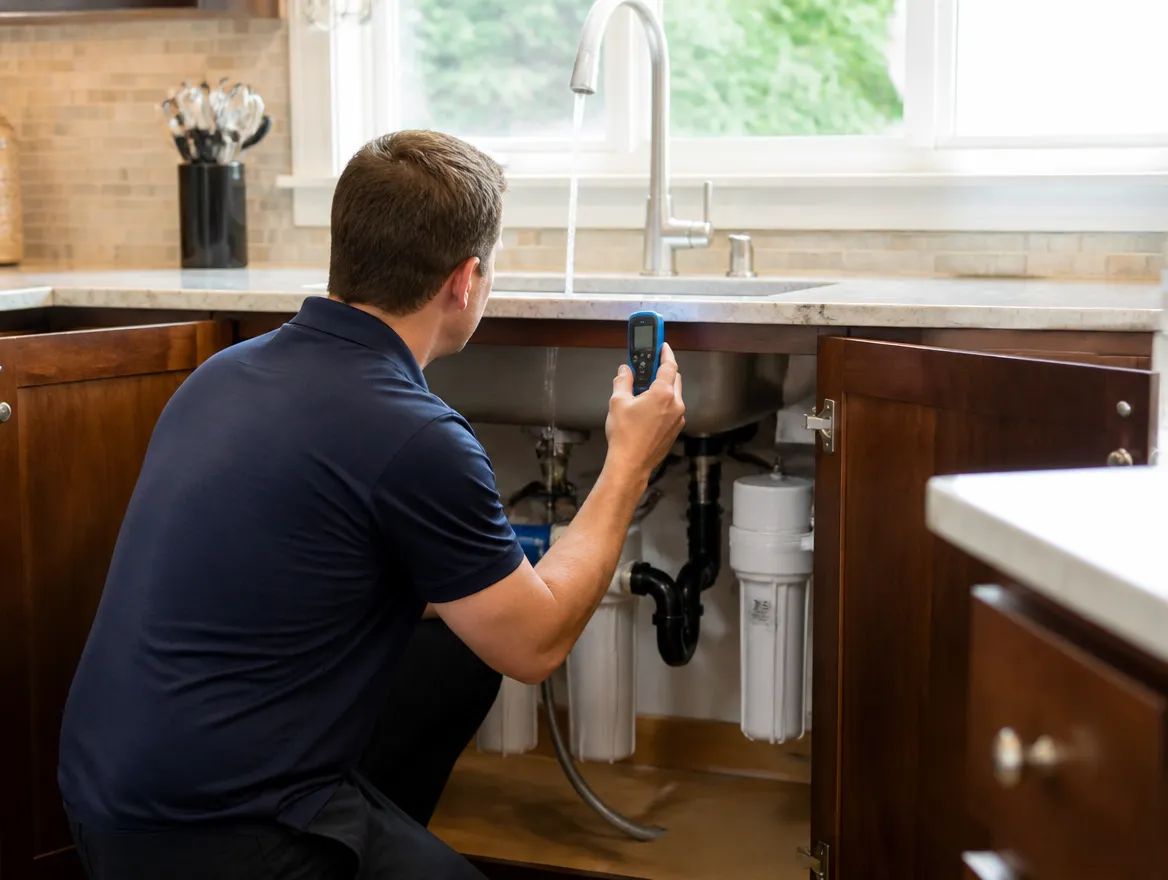
Lead: a first-draw sample from the tap you drink from, because lead comes from the service line and your household plumbing rather than the treatment plant. Denver Water is replacing every lead service line in its system and provides affected customers with a filter pitcher in the meantime, so check your address with them first.
PFAS: a specific panel, because these compounds are measured in parts per trillion. Colorado's known hotspots are Fountain, Security and Widefield in El Paso County, and the Commerce City area, both with documented sources and treatment responses.
Bacteria: total coliform and E. coli. This is the baseline test for any private well, and the one to repeat after any work on the well.
A full private well panel: hardness, iron, manganese, sulfide, nitrate, arsenic, uranium and more. This is the design document for a well system.
Technique changes the result, which is why we take the sample rather than mailing you a bottle and hoping. First-draw lead samples have to sit undisturbed for a set period. Bacteria bottles have to stay sterile and reach the lab inside a holding time. Some analytes need preservative in the bottle before the water goes in.
The lab is certified for drinking water analysis and the report comes back in its name, not ours. You keep it. Even if you never buy anything from us, you have a document you can hand to a buyer, a landlord or your own plumber.
The in-home test is part of every visit: hardness, total chlorine and TDS with calibrated instruments. A certified lab panel is a separate, published cost, and we credit it toward an install if you go ahead.
When results come back we do one of three things: design a system around the numbers, point you at the cheaper fix, or tell you nothing needs doing. That third answer is the reason the test is worth paying for.
What's included
Every install includes the licensed plumber, the before test and the after test. We quote once we've measured, because the reading decides the size.
The number we have to hit
A certified lab panel, results in writing. Agreed in writing before we install, measured the same way afterwards.
We'll tell you if you don't need it
If your question is taste, smell or scale, you may not need a lab at all. Our in-home test covers hardness, chlorine and TDS.
Frequently asked·Certified lab water testing
Wells vary too much to guess. Iron, sulfur, hardness, bacteria, nitrate, arsenic and uranium all need different equipment. A certified lab result tells us what to build and sets the targets we have to hit.
It depends on your question: lead, PFAS, bacteria, or a full private-well panel. We help you pick the right panel, and the lab result comes with a plain-English summary.
Once a year for bacteria and nitrate as a baseline, and after any work on the well, any flooding, or any change in taste, smell or color. Jefferson County Public Health offers free bacteria and nitrate kits to county well owners while supplies last, and CDPHE runs a program offering free PFAS testing for private wells. Use those first if they answer your question.
Our in-home test of hardness, total chlorine and TDS is part of the visit. A certified lab panel is a separate cost, and we credit it toward an install if you go ahead. It is worth it when the question cannot be answered at the tap: lead, PFAS, bacteria, nitrate, arsenic or uranium, and for every private well.
It is a good starting point and we always read it. But it reports the system, not your house. Hardness varies by treatment plant and season, and lead comes from your own service line and plumbing, which no district report can measure for you.
Other services
A water softener removes the calcium and magnesium that leave scale. We test your hardness first, write down the target, and retest after the install.
Explore service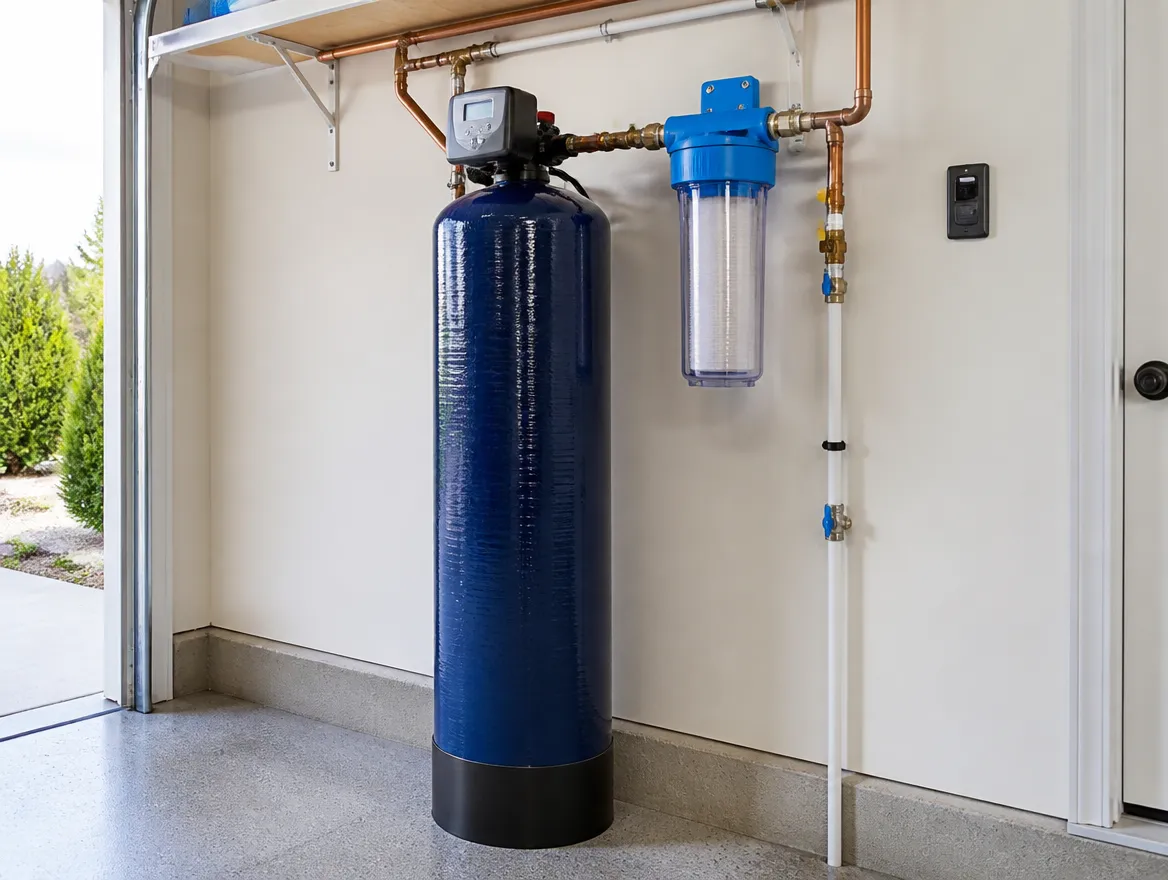
Most Front Range utilities disinfect with chlorine or chloramine. Whole-home catalytic carbon takes it out before it reaches any tap or shower.
Explore service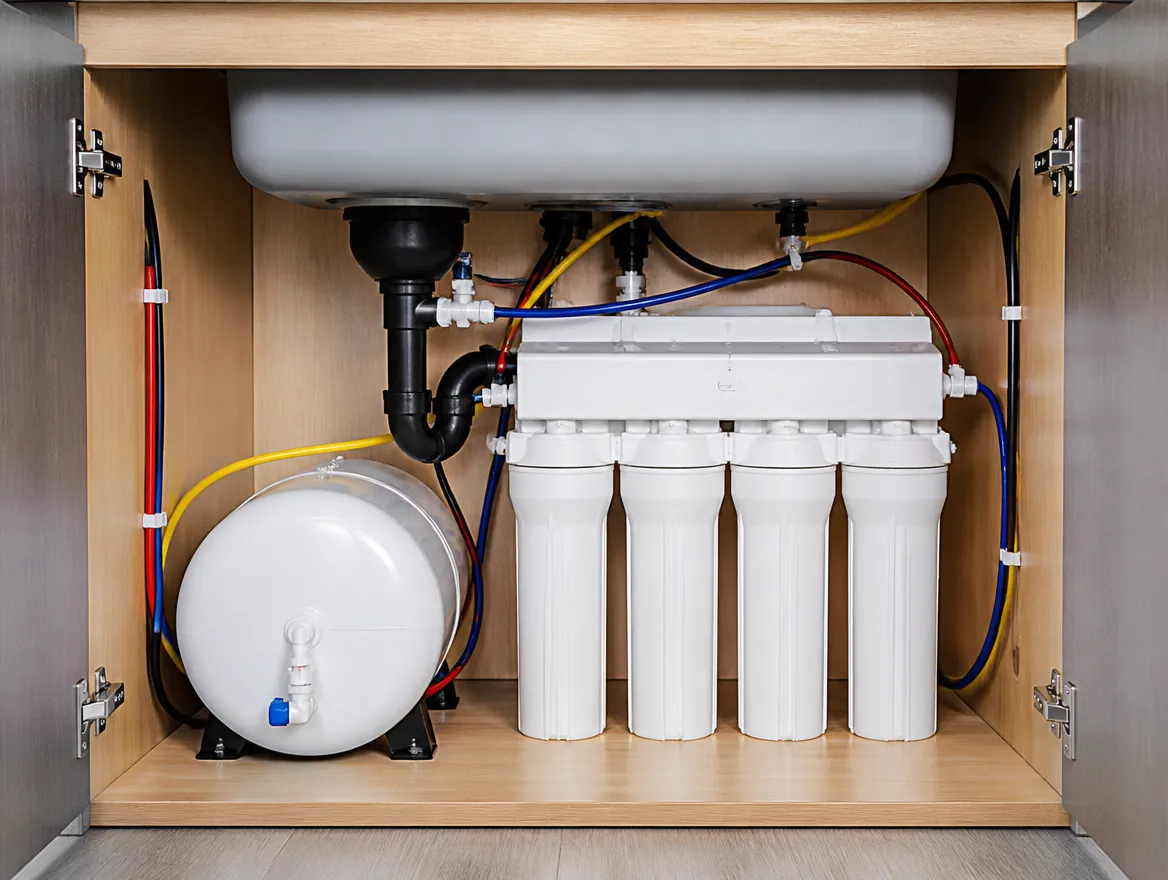
Reverse osmosis under the kitchen sink gives you drinking and cooking water from its own faucet. We measure the difference in writing.
Explore service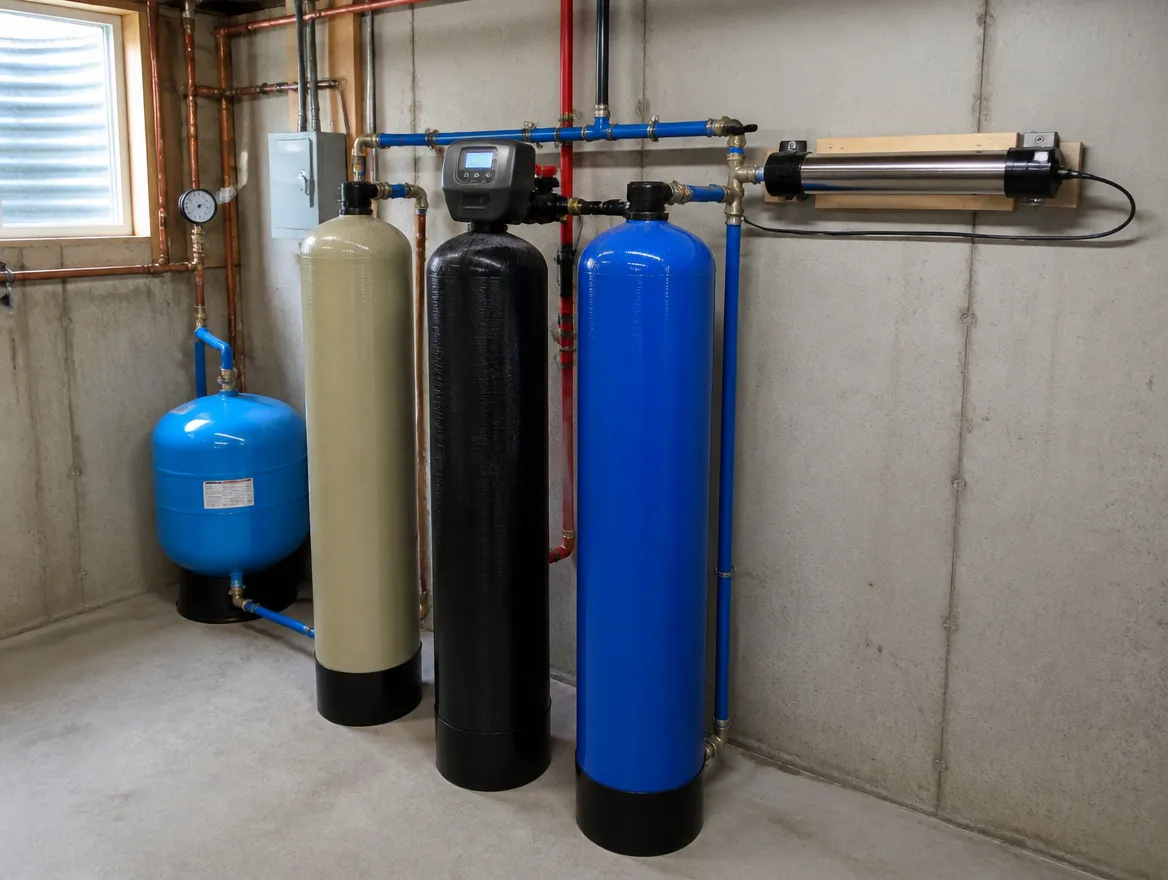
Every well is different, so we start with a certified lab test. The result tells us what to build and sets the targets we have to hit.
Explore serviceGet in touch
We measure at your tap before we quote anything. You keep the readings, whether or not you buy a certified lab water testing from us.