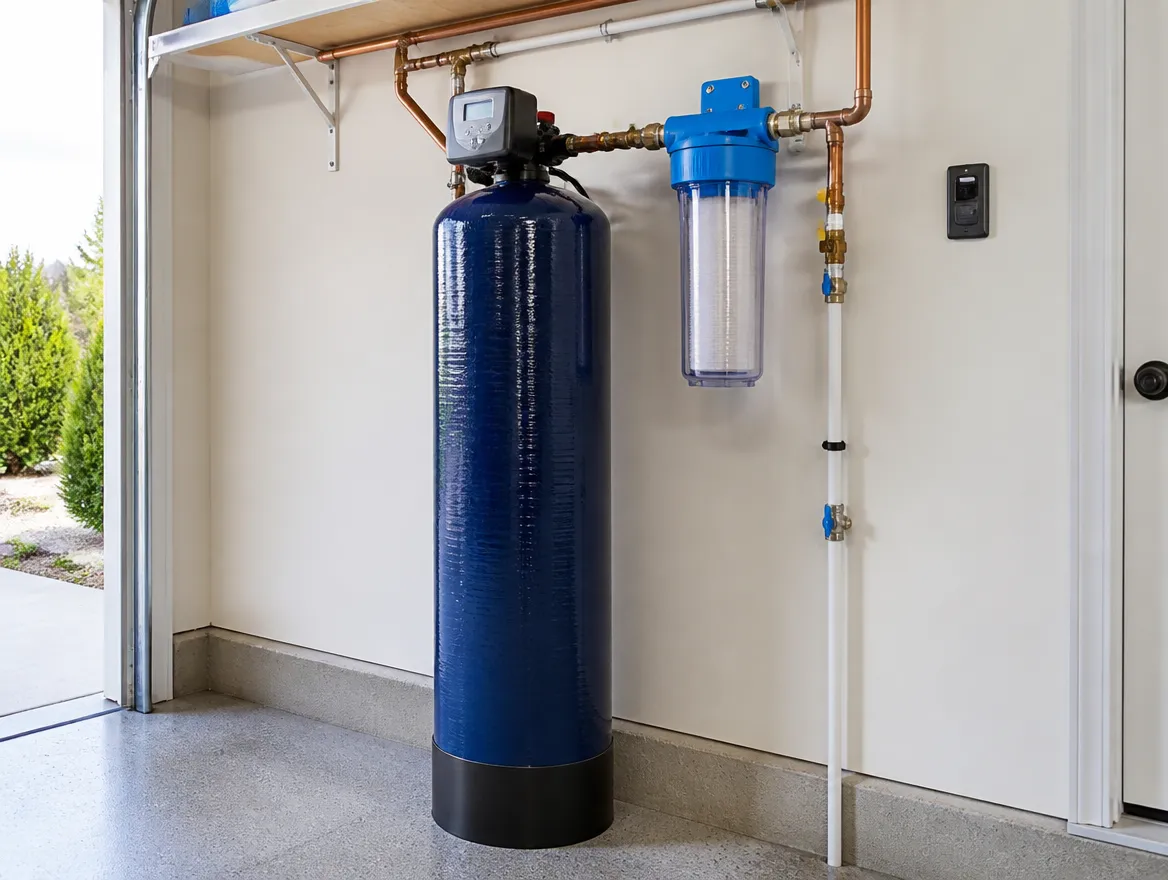
Whole-home carbon filtration
Most Front Range utilities disinfect with chlorine or chloramine. Whole-home catalytic carbon takes it out before it reaches any tap or shower.
Explore service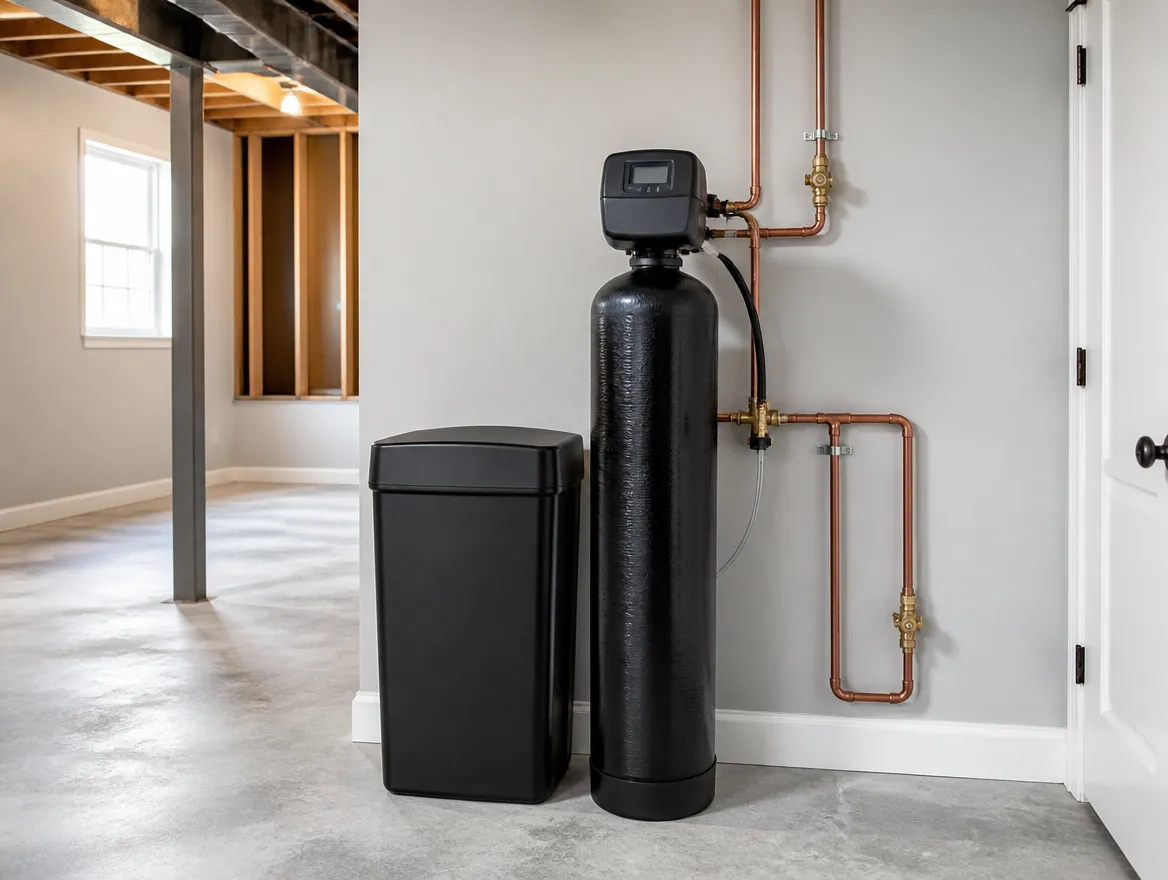
Hard water
A water softener removes the calcium and magnesium that leave scale. We test your hardness first, write down the target, and retest after the install.
Hard water·What changes
Where we work
We install in Denver, Aurora, Thornton, Westminster, Arvada, Broomfield, Lakewood, Littleton, Highlands Ranch, Centennial, Parker, Castle Rock and the surrounding Front Range. Hardness varies enormously across this metro, so we measure at your tap before we size anything. In grains per gallon: Thornton publishes 11.7 average; 8.2 in winter, up to 14.6 in summer; Castle Rock publishes 6.6 to 10.8; Aurora publishes about 8 (136 ppm average); Westminster publishes 7 to 8 (2021 data). Denver Water publishes no number at all, only a classification — which is exactly why we test at your tap rather than quoting a figure at you.
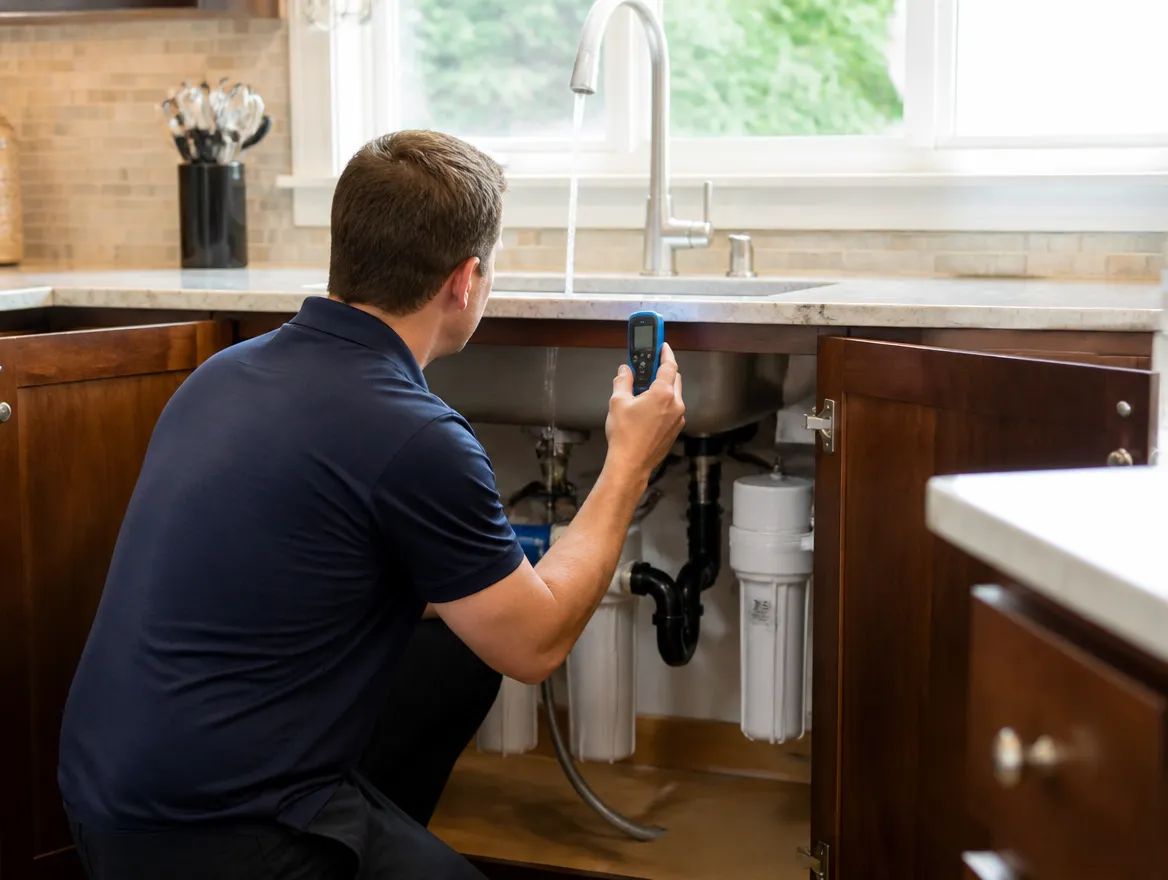
Sizing is arithmetic, not a sales tier. Grains removed per day equals people times gallons per person per day times your hardness in grains per gallon. A four-person household using about 75 gallons each on 11 grain water is removing roughly 3,300 grains a day, so a 32,000 grain softener regenerates about every eight to ten days with a sensible reserve left over.
That is why we measure your hardness before quoting rather than after. Undersize it and the resin runs out mid-week, so you get hard water at the worst moment. Oversize it and you have paid for capacity that sits idle while water channels through the same paths in the bed.
Flow rate matters as much as capacity. A three-bathroom house that runs two showers and a dishwasher at once needs a valve and tank that pass that flow without a pressure drop you can feel.
A timer softener regenerates on a schedule whether or not you used the capacity. A metered valve counts actual gallons and regenerates only when the resin is genuinely spent. In a state that watches its water, that shows up as fewer cycles, less salt and less water down the drain.
We install on an open-platform metered valve for a second reason: serviceability. Seals, pistons and brine valves are standard parts any plumber can source and rebuild. A proprietary unit only one dealer can touch puts you in a weak position in year eight.
It does not remove chlorine or chloramine. Most of the Denver metro disinfects with chloramine, which is why our complete systems put catalytic carbon before the softener, both for taste and to protect the resin.
It does not remove lead, PFAS, nitrate or bacteria. Those are drinking water questions, answered by reverse osmosis at the kitchen sink and a certified lab test.
It does not soften water it never sees. We usually leave one cold tap unsoftened for drinking and cooking, or pair the softener with an RO faucet, so the sodium that ion exchange adds is not in your glass.
What's included
Every install includes the licensed plumber, the before test and the after test. We quote once we've measured, because the reading decides the size.
The number we have to hit
Hardness under 1 grain per gallon, guaranteed. Agreed in writing before we install, measured the same way afterwards.
We'll tell you if you don't need it
We don't sell softeners into Boulder, Longmont or Fort Collins city water. It's already soft, so the hardness number wouldn't change. If the taste or smell bothers you there, look at whole-home carbon or drinking-water RO.
On city water in Boulder, Longmont, Fort Collins, we don't sell softeners at all. Longmont's own report says a water softener is not recommended there, and we agree.
Frequently asked·Water softener systems
A system sized for your home and your flow shouldn't cause a pressure drop you notice. That's why we size tanks to your bathrooms and household, not to a sales sheet. Tell us if pressure is already an issue and we'll check it during the test.
Usually not. City water there is already soft, so a softener wouldn't change the hardness number. If the taste or smell bothers you, whole-home carbon or drinking-water RO is the better fit.
Chlorine and chloramine are hard on softener resin. Putting catalytic carbon first protects the resin and gives every tap chlorine-free water.
Other services
Most Front Range utilities disinfect with chlorine or chloramine. Whole-home catalytic carbon takes it out before it reaches any tap or shower.
Explore service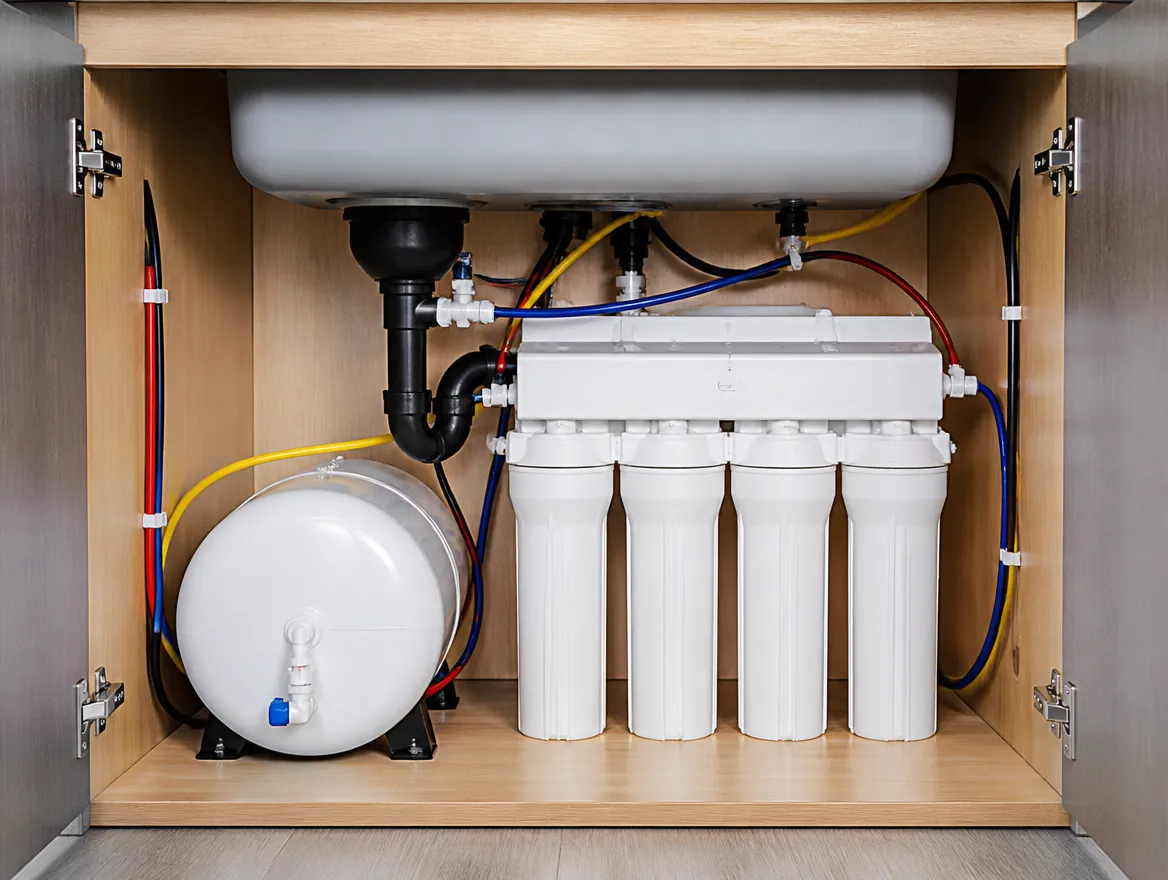
Reverse osmosis under the kitchen sink gives you drinking and cooking water from its own faucet. We measure the difference in writing.
Explore service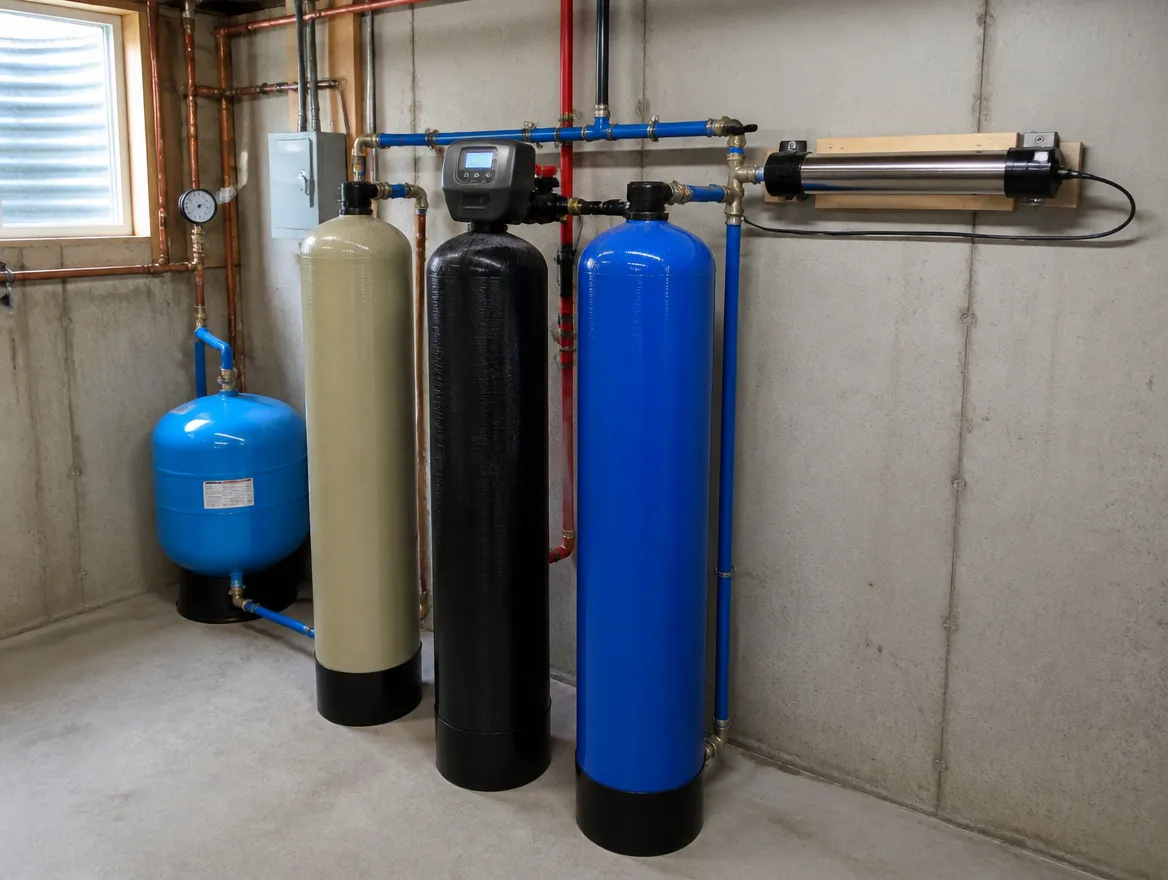
Every well is different, so we start with a certified lab test. The result tells us what to build and sets the targets we have to hit.
Explore service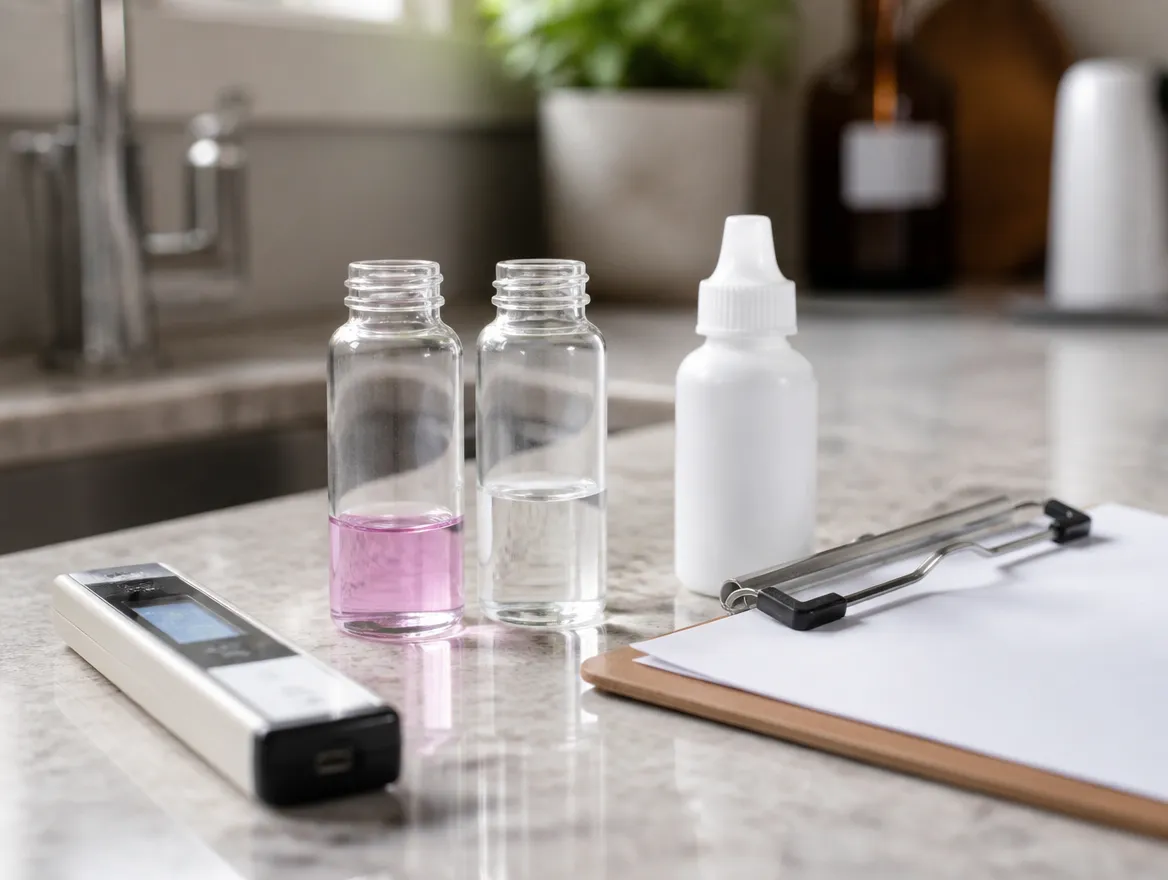
Some things can't be measured at the tap. A certified lab test answers questions about lead, PFAS, bacteria and wells, and the cost is credited toward an install.
Explore serviceGet in touch
We measure at your tap before we quote anything. You keep the readings, whether or not you buy a water softener systems from us.